

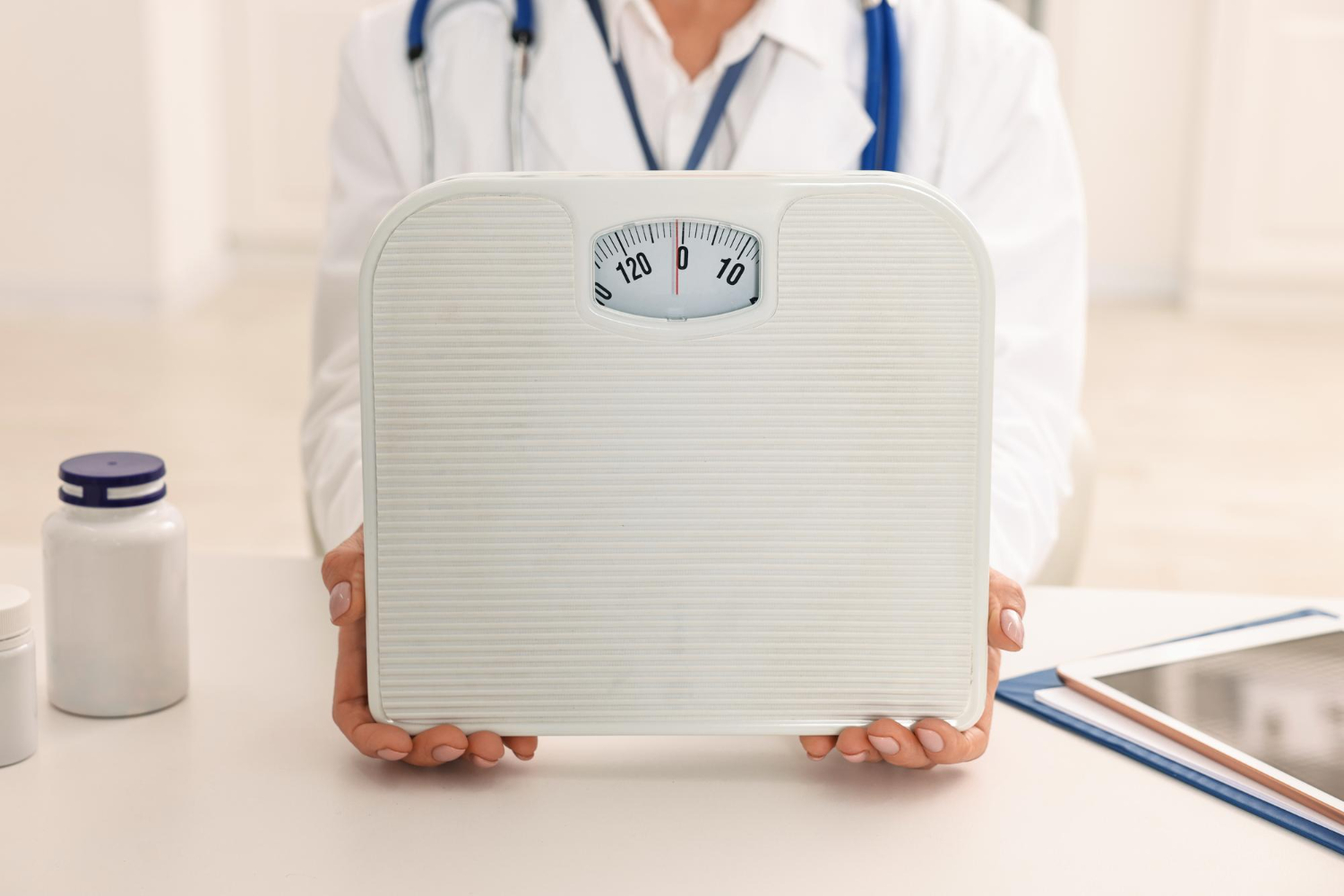
When the Scale Jumps and Nothing Else Has Changed
Weight that jumps up out of nowhere can feel scary and confusing. Many people in Alpharetta notice a 10 to 20 pound gain even though their meals, workouts, and daily habits look the same. The only thing that changed was a new prescription.
This happens often with medications like SSRIs, birth control, and steroids. The weight gain is easy to blame on getting older, stress at work, or kids at home, so it goes unnoticed for a long time. People start to think they just need more willpower, when in reality their brain chemistry and hormones may be working against them.
Before blaming yourself, it helps to step back. Reviewing your medications and doing focused hormone testing in Alpharetta, GA can show what is really going on. Our goal here is to help you spot common medication culprits, understand how they affect your body, and see which labs can give clear answers before weight gain continues to creep up.
How Common Medications Quietly Drive Weight Gain
Not all weight gain is the same. Medications can change your weight in three main ways:
- Water retention, puffiness, or swelling
- Actual fat gain
- Shifts in body composition, like more fat and less muscle
Certain drugs affect the brain signals that control hunger, cravings, and mood. Others change how your cells respond to insulin, how much cortisol you make, or how well your thyroid is working. When these systems get pushed off balance, you may notice:
- Stronger appetite, especially for carbs and sugar
- Slower metabolism and easier fat storage
- More fatigue and less desire to move
- Poor sleep, which then drives more cravings
Perimenopausal and midlife adults are especially at risk. Hormones are already changing, then new prescriptions for mood, blood pressure, pain, or autoimmune issues are added on top. This can create a perfect storm where weight climbs, energy drops, and nothing seems to work the way it used to.
Top Medication Culprits: SSRIs, Birth Control, and Steroids
Some medications are well known for nudging weight up, often slowly and quietly.
SSRIs and other antidepressants
These medications affect serotonin, which helps control mood, sleep, and appetite. For some people, they can:
- Increase appetite and emotional eating
- Change insulin response and blood sugar balance
- Reduce motivation to exercise or be active
- Cause a steady 1 to 30 pound gain over months or years
Common patterns people notice include stronger evening carb cravings, feeling a bit emotionally numb so food choices feel less intentional, and weight gain after a dose increase or switching brands.
Hormonal birth control
Pills, patches, and rings that contain estrogen can cause:
- Water retention and bloating that shows up quickly
- Changes in insulin sensitivity that promote fat storage
- Shifts in appetite and mood around the cycle
Birth control can also affect PMS symptoms, mood swings, and libido. When your mood and sex drive drop, you may move less, feel more stressed, and lean on comfort foods more often. That indirect effect adds to direct hormonal changes, making weight harder to manage.
Oral and injected steroids
Steroids like prednisone are often used for flare-ups of asthma, rashes, or joint pain. They act like very strong cortisol in the body and can:
- Raise blood sugar and insulin, which stores more belly fat
- Break down muscle, lowering metabolism
- Increase hunger and cravings
- Shift fat toward the abdomen and face
Even short steroid bursts for a seasonal flare or sports injury can affect weight for weeks or months afterward. The gain may not be huge at once, but repeated courses add up over time.
When to Suspect Hormones, Not Just Medication
Medication side effects and hormone issues often overlap. It is helpful to pay attention to the full picture, not just the number on the scale.
Watch for these symptoms that suggest deeper hormone imbalance:
- Stubborn belly fat that does not budge
- Hair loss or thinning hair
- Feeling cold often or having cold hands and feet
- Heavy, painful, or very irregular periods
- Low libido or sexual function changes
- Brain fog, trouble focusing, or memory slips
- Extreme fatigue, even after sleep
- Mood swings, anxiety, or feeling on edge
These can point toward thyroid problems, insulin resistance, cortisol imbalance, or shifts in estrogen, progesterone, and testosterone. Red flags in your weight history include:
- Gaining 10 or more pounds in about 3 months after starting or changing a medication
- Weight creeping up or refusing to drop despite careful calorie tracking and regular exercise
A typical approach is to say, eat less and move more. A functional medicine approach goes deeper. It looks at your entire medication list, lifestyle, and hormone patterns together. With hormone testing in Alpharetta, GA, we can see whether your weight gain is mainly medication-driven, hormone-driven, or a mix of both.
Labs That Help Separate Medication Effects From Hormone Issues
Targeted lab work gives clear data so you are not guessing. We usually start with metabolic and thyroid testing, then add sex hormone and adrenal labs.
Foundational metabolic and thyroid testing often includes:
- A full thyroid panel, TSH, Free T4, Free T3, and thyroid antibodies
- Fasting glucose and fasting insulin
- HbA1c, a three-month view of blood sugar trends
- A lipid panel for cholesterol and triglycerides
- Vitamin D levels
These tests show whether you have a sluggish thyroid, insulin resistance, or early blood sugar changes that can be made worse by SSRIs, birth control, or steroids.
Sex hormone and adrenal evaluation may include:
- Estradiol and progesterone
- Total and free testosterone
- DHEA-S and SHBG
- Cortisol, either as a single blood level or with more detailed day-long patterns
Imbalances here can magnify medication-related weight gain, affect where your body stores fat, and change your energy and cravings. For example, low progesterone plus high stress can make sleep poor and cravings intense, while low testosterone can reduce muscle mass and slow metabolism.
Once the lab results are clear, we can create a safer plan. That might mean adjusting the type or timing of a medication, supporting how your body processes drugs, or using bioidentical hormones when appropriate. An experienced physician can also coordinate with your other providers so mental health, pain control, or contraception stay on track while side effects are addressed.
Smarter Paths to Lose Weight Without Sacrificing Health
It can be tempting to stop a medication the moment you connect it to weight gain. We strongly caution against stopping antidepressants, steroids, or birth control on your own. Quitting suddenly can lead to:
- Withdrawal symptoms
- Return or flare of depression, anxiety, or pain
- Breathing or autoimmune flare-ups
- Unplanned pregnancy
A better path is to bring your full medication list and symptom history to a functional medicine visit. From there, you and your doctor can look at safer adjustments, alternatives, or supports.
At Advanced Medical and Weight Loss in Alpharetta, we combine medical weight loss tools with hormone balancing. Plans may include nutrition changes, realistic exercise, stress support, targeted supplements, and medications such as GLP-1s when they are a good fit and supported by your lab data. Late summer is a helpful time to review all of this, so you move into the rest of the year with a clear plan instead of feeling stuck.
Our clinic is led by a triple board-certified MD, with a strong focus on root cause evaluation and personalized care for both men and women. We work to understand how your prescriptions, hormones, and lifestyle are working together so that your weight loss plan feels realistic and safe, not like another frustrating diet.
Frequently Asked Questions About Medication-Related Weight Gain
How Do I Know If My Medication Is Causing My Weight Gain?
Notice when your weight started to increase and compare that to when you began or changed a medication. If you see a 5 to 10 pound gain or more within a few months, without big changes in eating or activity, and you have new symptoms like more hunger or fatigue, your prescription may be playing a role. A physician can review your medication list, symptoms, and labs to help confirm this.
Can I Lose Weight While Staying on Antidepressants or Birth Control?
Yes, many people can lose weight while staying on these medications. It is often easier when hormone or metabolic issues are found and treated. Adjusting the dose, switching to a more weight-neutral option, supporting thyroid and insulin balance, and following a tailored nutrition and movement plan can all help without giving up mental health support or contraception.
Should I Stop My Steroid or Antidepressant If I Notice Weight Gain?
No, you should not stop these medications on your own. Ending steroids, antidepressants, or birth control suddenly can cause withdrawal, symptom flares, or other problems. Work with a physician who understands functional medicine and can help you taper or adjust slowly, support your metabolism, and explore other options when it is safe to do so.
What Hormone Tests Are Most Important If I Suspect a Problem?
A good starting point usually includes a full thyroid panel, fasting glucose and insulin, HbA1c, sex hormones like estradiol, progesterone, and testosterone, DHEA-S, and cortisol. These tests help sort out whether weight changes are mainly from medication side effects or from thyroid, adrenal, or sex hormone issues that might be adding to the problem.
How Advanced Medical and Weight Loss Manages Medication Weight Gain
We start with a detailed history of your medications, symptoms, and lifestyle, then order focused lab testing, including hormone testing in Alpharetta, GA when it is appropriate. From there, our triple board-certified MD designs a personalized plan that may include medication changes in partnership with your other doctors, bioidentical hormone therapy when needed, medical weight loss tools, nutrition guidance, and close follow-up to help reduce medication-related weight gain in a safe and thoughtful way.
Restore Your Hormone Balance And Feel Like Yourself Again
If you are experiencing fatigue, weight gain, mood changes, or sleep issues, our team at Advanced Medical and Weight Loss is here to help you find answers. With our comprehensive hormone testing in Alpharetta, GA, we can identify imbalances and create a personalized treatment plan tailored to your needs. Take the next step toward feeling better and regaining control of your health by letting us guide you through your options. To schedule an appointment or ask questions, please contact us today.