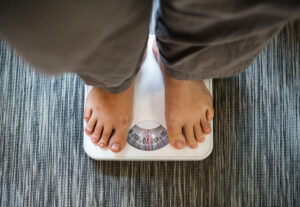


When Your Weight Jumps Overnight and What It Really Means
Waking up a few pounds heavier overnight can feel scary, especially if you are working hard on your health. Maybe you had a salty dinner, traveled, started a new medication, or are close to your period. The number on the scale suddenly jumps, and it is easy to think you ruined your progress in a single day.
The good news is that true fat gain does not happen that fast. Quick changes are usually about fluid shifts, inflammation, digestion, and hormones, not several pounds of new fat. From a functional medicine point of view, those shifts are signals from deeper systems in the body, like your hormones, gut, and metabolism. In this guide, we will walk through how to tell water weight from true fat gain, what hormones and inflammation have to do with it, and where tools like bioidentical hormone replacement therapy can sometimes fit in.
Fluid Retention vs. Fat Gain: What Is Really Changing
To gain one pound of fat, you would need a large extra dose of calories above what your body burns. That does not happen from one meal or one off day. If your weight jumps 2 to 5 pounds in 24 hours, that almost always points to water, not fat.
Short-term changes often come from:
- Extra sodium pulling water into your tissues
- Higher carb intake storing glycogen, which holds water
- Hormone shifts changing how your body holds fluid
- Food still in your stomach and intestines
Signs that weight is mostly water include:
- Rings, watch bands, or shoes suddenly feeling tight
- Sock marks on your ankles at the end of the day
- Puffy face or eyelids in the morning
- Lower leg or ankle swelling that comes and goes
- The scale bouncing up and down a few pounds day-to-day
Time of day also matters. Many people weigh less in the morning after using the bathroom and more at night after fluids and meals. If you had a high sodium or high carb dinner, you may see an extra bump the next morning that fades in a day or two.
True fat gain usually looks different. It tends to show up as:
- A slow, steady upward trend over weeks
- Clothes fitting tighter at the waist or hips even when you are not puffy
- Less energy, more cravings, and poor sleep that stick around
When the number creeps up over a month, and you feel more tired and hungrier, that can point toward real shifts in metabolism rather than simple water weight.
Hormones, Cycles, and Weight Fluctuations
Female hormones play a big role in how the body holds fluid. During the menstrual cycle, changes in estrogen and progesterone can change fluid balance, digestion, and appetite. Many women notice they gain 2 to 5 pounds in the days before their period. That is usually from:
- Extra fluid in tissues
- Slower digestion and more bloating
- Changes in cravings and snack choices
That weight often drops again once the period starts and hormones shift. It is not several pounds of fat coming and going each month.
In perimenopause and menopause, when estrogen and progesterone levels change, the pattern shifts again. Weight can move from hips and thighs toward the midsection. Some people also notice more fluid retention, hot flashes, night sweats, and more stubborn belly fat. In men, lower testosterone with age can affect muscle mass, fat storage, and energy, a pattern sometimes called andropause.
Bioidentical hormone replacement therapy uses hormones that are structurally similar to the ones your body makes. The goal is to help gently balance hormones that affect both fluid retention and true fat gain. At Advanced Medical and Weight Loss in Alpharetta, GA, this kind of therapy is guided by lab results, symptoms, and health goals, not a one-size-fits-all dose.
Medications, Sodium, and Hidden Triggers Behind Puffy Mornings
Medications can be a big reason for overnight weight changes. Some common types that can affect water or weight include:
- Certain blood pressure medications
- Some antidepressants and mood medications
- Birth control and other hormone medicines
- Steroids
- Some diabetes medications
If your weight or swelling changes quickly after starting, stopping, or changing a dose, it is important to talk with a healthcare provider. Do not stop a prescribed medication on your own.
Food choices also matter. Restaurant meals, takeout, and processed foods often have more sodium than home cooking. A salty dinner can cause your body to hold several pounds of water by morning. Higher carb intake increases glycogen stores in muscle and liver. Glycogen naturally holds water, which can spike scale weight without adding fat overnight.
Lifestyle patterns can add to this. In many areas, including North Georgia, spring can bring more eating out, allergy flares, and changes in routine. Allergies and certain foods can raise inflammation, which can also lead to puffiness and bloating. A functional medicine approach looks for triggers like:
- Food sensitivities
- Gut imbalance
- Inflammation markers
- Blood sugar swings
Understanding these patterns can help turn those puffy mornings into useful feedback, not just frustration.
When “Water Weight” Is a Warning Sign
Sometimes fluid retention is more than a nuisance. It can be a sign that your body needs quick medical attention. Red flag symptoms include:
- Sudden or severe swelling in legs, feet, or abdomen
- Shortness of breath, especially when lying down
- Chest pain or pressure
- Rapid heart rate
- One-sided leg swelling with pain or warmth
Those signs should never be brushed off as simple water weight. They can point to heart, kidney, or clotting problems and need urgent care.
Chronic fluid retention can also be linked to deeper issues such as cardiovascular disease, kidney or liver stress, thyroid problems, or blood sugar that is not well controlled. In a functional medicine workup, we look at:
- Detailed history of symptoms and lifestyle
- Lab testing for thyroid, blood sugar, kidneys, liver, and inflammation
- Medication review
- Hormone patterns over time
Hormonal and metabolic clues often show up as midsection weight gain, low energy, brain fog, and mood changes. These may point toward thyroid imbalance, insulin resistance, or sex hormone shifts. Addressing those with a combined plan, such as physician-guided medical weight loss, hormone support, and targeted nutrition, can be more effective than dieting alone.
A Functional Medicine Roadmap to Smarter Spring Weight Loss
To make the scale less stressful, it helps to track the right things without becoming obsessed. Helpful data points include:
- Weekly average weights instead of daily panic
- Waist and hip measurements
- How clothes fit through the month
- Energy, mood, and sleep quality
At home, you can jot down notes on what you ate, where you are in your cycle, any medication changes, and higher sodium days. Over time, patterns become easier to see.
At Advanced Medical and Weight Loss, we focus on root causes, not just the number on the scale. That often includes comprehensive lab testing to check hormones, thyroid function, insulin resistance, inflammation, and nutrient levels. From there, we design personalized plans that may bring together physician-led medical weight loss tools, bioidentical hormone replacement therapy when appropriate, and nutrition strategies that calm inflammation instead of triggering it.
Simple reset steps that often support this work include:
- Prioritizing consistent, restful sleep
- Drinking enough water to support kidneys and lymph flow
- Reducing heavily processed, salty foods
- Moving your body regularly to help circulation
- Practicing stress management to steady cortisol
When we treat overnight scale jumps as information instead of failure, we can use them to guide smarter choices. That is the heart of a functional medicine approach: listening to what the body is saying, then addressing the deeper systems that shape both water weight and true fat gain.
Reclaim Your Energy And Hormonal Balance Safely
If you are ready to address frustrating symptoms like fatigue, weight changes, or mood swings, we can help you explore whether bioidentical hormone replacement therapy is right for you. At Advanced Medical and Weight Loss, we take time to understand your health history and goals so we can recommend a plan tailored to your needs. Schedule a personalized consultation today by using our contact us page and take a confident step toward feeling like yourself again.