
Sleep, Hormones, and “Holiday” Weight Gain: What You Are Missing
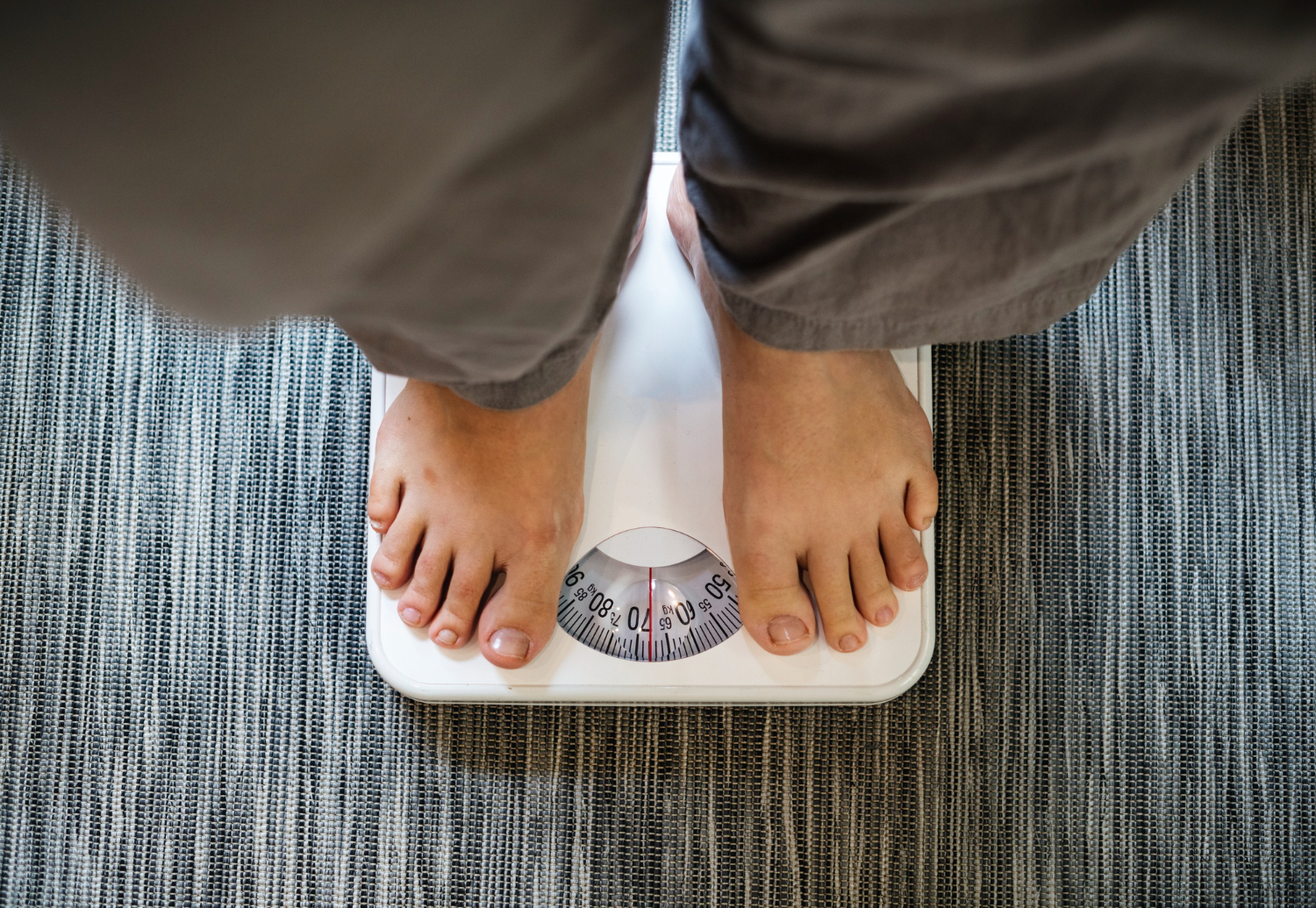
Many adults in Alpharetta eat clean, track their steps, and still see the scale climb, especially as the weather cools and schedules get busier. It can feel confusing and frustrating when you are doing what you have been told is “right” and your body does not respond. That is often a sign that something deeper is going on underneath the surface.
From a functional medicine point of view, stubborn weight gain is rarely just about calories. Hidden issues like sleep apnea, certain medications, supplements, and everyday toxins can quietly push your hormones and metabolism in the wrong direction. When we look for these root causes and test them properly, people finally start to understand why their body is holding on to weight and what can be done about it.
Why Functional Medicine in Alpharetta, GA Targets Root Causes
Functional medicine is a way of practicing medicine that asks a simple question: why is this symptom happening in the first place? Instead of only focusing on weight, we look at how your body is working as a whole system.
Typical weight loss approaches often focus on things like:
- Cutting calories
- Trying a trendy diet
- Doing more cardio
- Taking a quick-fix pill or powder
A root-cause approach looks at how different areas work together, such as:
- Hormones
- Gut health
- Thyroid function
- Sleep quality and breathing at night
- Medications and supplements
- Exposure to toxins in your home and workplace
People in Alpharetta are often juggling long commutes, desk jobs, family needs, and high stress. Late nights, screen time, and grab-and-go meals add up over time. When you mix that with poor sleep, the wrong medications for your body, or a heavy toxin load, your metabolism can slow down even if you eat well and move daily.
Hidden Cause #1: Sleep Apnea and the Nighttime Weight Gain Loop
Sleep apnea is a condition where your airway partly or fully closes during sleep. You may not fully wake up, but your brain and body feel the stress. Many people with sleep apnea are not aware they have it, especially if they sleep alone or do not snore loudly.
Undiagnosed sleep apnea can lead to:
- Poor sleep quality and unrefreshing sleep
- Daytime fatigue and brain fog
- Strong cravings for sugar and carbs
- Late-night snacking to “push through” tired evenings
When your sleep is broken, key hormones get out of balance. Cortisol, your main stress hormone, can rise at the wrong times. Insulin, which controls blood sugar and fat storage, often becomes less effective. Leptin, which tells your brain you are full, may drop, while ghrelin, which makes you feel hungry, may increase. This combo makes it much harder to lose fat, even with a solid diet and workout plan.
What is helpful to test for sleep apnea and related issues?
- A home sleep test or in-lab sleep study
- Oxygen saturation levels during the night
- Heart rate variability to see stress patterns
- Metabolic labs such as fasting insulin and HbA1c
- Cortisol pattern testing to see how your stress response shifts through the day
When these pieces are checked together, we can see how your nights are driving your days and your weight.
Hidden Cause #2: Common Meds, “Healthy” Supplements and Slow Metabolism
Many people take prescription medications that are needed and helpful, but some of them can make weight loss harder. It is never a good idea to stop a medication on your own, but it is smart to ask if weight gain could be a side effect.
Common medication categories that can affect weight include:
- Certain antidepressants and antipsychotics
- Some blood pressure drugs such as beta-blockers
- Insulin and some other diabetes medications
- Hormonal contraceptives
- Steroids like prednisone
Supplements can also play a quiet role. Some “health” products are packed with sugar, artificial sweeteners, or additives that upset the gut. Others contain strong stimulants that disrupt sleep, or herbs that stress the liver over time. If your liver is under strain, it may not handle hormones and toxins as well, which can slow fat loss.
A careful review usually includes:
- A complete list of all prescriptions, over-the-counter drugs, and supplements
- Metabolic labs such as fasting glucose, fasting insulin, a lipid panel, and liver enzymes
- A complete thyroid panel, not just TSH
- Body composition analysis so we can see if you are gaining fat, water, or muscle
Looking at this full picture helps us decide when to talk with your other doctors about safer options or dosing changes that better support your goals.
Hidden Cause #3: Toxins, Hormone Disruption, and Stubborn Fat
We are all exposed to toxins every day. These can come from pesticides on food, plastics, personal care products, household cleaners, and even hidden mold in homes or offices. Many of these chemicals act as endocrine disruptors, which means they interfere with hormones.
Toxins can:
- Make your cells more resistant to insulin
- Slow your thyroid, which is your internal “metabolic thermostat”
- Nudge your body to store more fat, especially around the belly
Your body often stores certain toxins in fat tissue to keep them away from organs. This can create a higher “toxic burden.” When you start to lose weight, some of those stored toxins can move into the bloodstream. If your detox pathways are not working well, you may feel worse, get headaches, or stall out.
Helpful testing can include:
- Functional toxin and heavy metal assessments
- Mold and mycotoxin testing when there are red flags like musty odors or water damage exposure
- More detailed liver function markers
- Hormone labs, such as a thyroid panel, sex hormones, and cortisol, to see how toxins may be affecting your metabolism
By seeing how your body is handling toxins, we can build a plan that supports gentle detox over time instead of pushing your system too hard.
What to Test First: A Functional Medicine Roadmap
When someone in Alpharetta is dealing with unexplained weight gain, we start with a detailed story, not a generic diet sheet. A smart roadmap often looks like this:
- Thorough health history and symptom review
- Full list of medications and supplements
- Targeted lab testing
- Evaluation of sleep quality, including screening for sleep apnea
Key lab categories often include:
- Full thyroid panel: TSH, free T3, free T4, reverse T3, and thyroid antibodies
- Metabolic markers: fasting insulin, fasting glucose, HbA1c, and lipid panel
- Sex hormones: estrogen, progesterone, testosterone, and DHEA when appropriate
- Inflammatory markers
- Gut health testing if there are issues like bloating, constipation, or irregular stools
The goal is to combine all of these findings into one clear picture. From there, a personalized plan can focus on better sleep, healthier medication strategies with your other doctors, gentle detox support, a food plan that fits your life, and movement that matches your energy and stress level. We then track progress over time so your plan can grow with you instead of working against you.
Frequently Asked Questions
Is Functional Medicine Only for People with a Lot of Weight to Lose?
Functional medicine can help anyone who is confused by weight gain, stuck at a plateau, or noticing metabolic symptoms like fatigue or brain fog, whether they want to lose 10 pounds or a larger amount. The focus is on helping the whole body work better, not just hitting a number on the scale.
How Is Functional Medicine in Alpharetta, GA Different From a Regular Weight Loss Clinic?
At a functional medicine clinic, a physician looks at hormones, thyroid, gut health, sleep, medications, and toxins together instead of handing out a single plan to everyone. Your testing and treatment are tailored to your unique biology, lifestyle, and health history.
Can You Help Me If I Am Already Working with Other Doctors?
Yes. Functional medicine is meant to work alongside your existing care. The physician can coordinate with your primary care doctor and specialists, especially when medication changes are being discussed, so your team is on the same page.
Do I Need a Sleep Study If I Do Not Snore Loudly?
Not always, but it is worth talking about if you wake up tired, have morning headaches, or struggle with weight gain and brain fog. Some people with sleep apnea do not have classic loud snoring, so a careful evaluation helps decide whether a home sleep test or in-lab study makes sense.
How Soon Could I See Changes in My Weight and Energy?
Many people notice shifts in energy, sleep quality, and cravings within a few weeks once key issues like sleep or obvious medication effects are addressed. More steady, long-term weight changes tend to follow over the next several months as hormones, metabolism, and toxin burden are addressed in a safe, medical setting.
Begin Your Personalized Healing Journey Today
If you are ready to address the root causes of your symptoms instead of just masking them, our team at Advanced Medical and Weight Loss is here to help. Explore how functional medicine in Alpharetta, GA can support your long-term health with a customized plan tailored to your unique needs. We take the time to listen, evaluate, and guide you through each step so you feel confident in your care. Have questions or want to schedule a visit now? Simply contact us to get started.